
Botox & Fillers
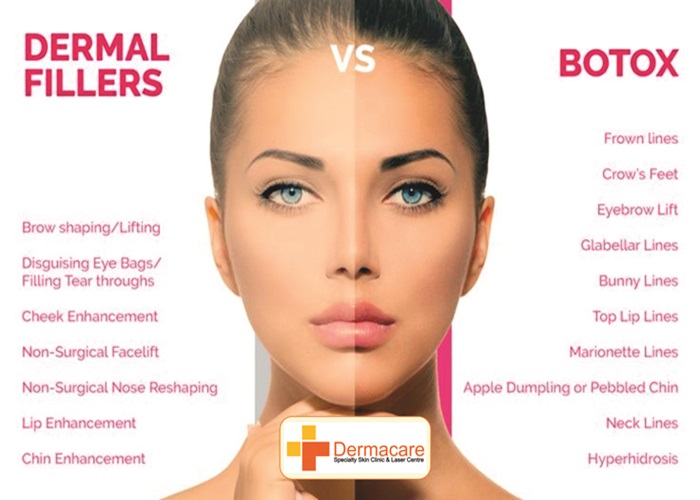
Botox:
Botox and dermal fillers are both minimally invasive cosmetic treatments given through injections. However, they differ in that Botox freezes muscle and fillers add fullness.
Botox is a purified form of the botulinum toxin that is obtained from bacteria, that freeze muscles. In doing so, Botox can help minimize the appearance of lines and wrinkles caused by facial expressions. Though it is deadly in larger amounts, the tiny, regulated amount of Botox given to correct wrinkles has been used safely for decades.
Fillers:
Dermal fillers, sometimes called soft tissue fillers, are substances designed to be injected beneath the surface of the skin to add volume and fullness. Different types of dermal fillers are designed to treat varying signs of aging. Depending on the filler selected, they may:
- plump up thinning lips
- enhance or fill in shallow areas on the face
- decrease or remove the shadow or wrinkle under the eyes caused by the lower eyelid
- fill in or soften the look of recessed scars
- fill in or soften static wrinkles, especially on the lower face
Laser Treatments
Laser hair removal is the most popular and preferred cosmetic procedure and is the best alternative for shaving and waxing, especially for those who seek to save time. It is also one of the most affordable methods for getting rid of unwanted hair.
Laser hair removal requires multiple sessions. It is important to know that hair grows through phases comprising a hair cycle. The different stages in the hair cycle are:
- Anagen or growth phase
- Catagen or growth cessation phase
- Telogen or resting phase
- Exogen phase
The number of sessions required for laser hair removal depends on
- the area of the body that needs to be covered,
- The nature of hair growth,
- Intensity,
- The type of hair,
- Your skin type according to The Fitzpatrick scale – I to VI
- The contrast existing between the skin type and the colour of the hair.
Skin Rejuvenation
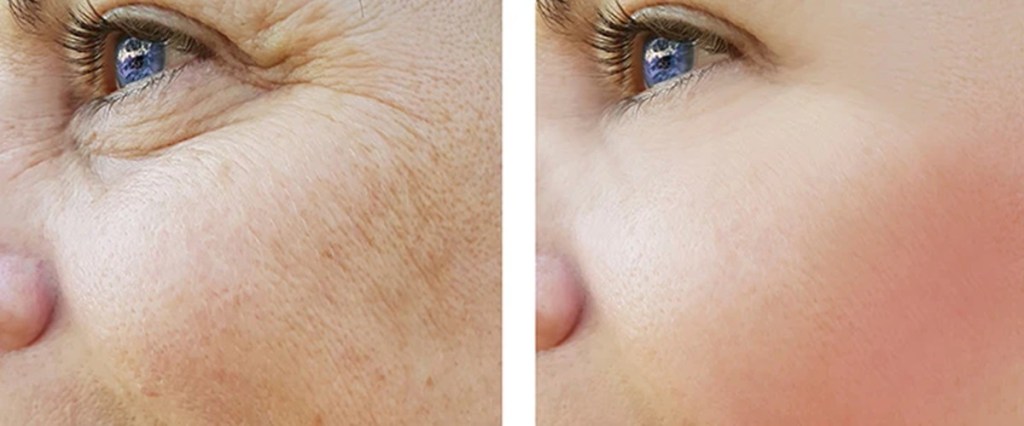
Sun, skin disorders, aging and even heredity can all contribute to skin irregularities on the face and elsewhere on the body. These include textural irregularities like wrinkles and acne scars, pigmentation changes like freckles, sunspots or visible blood vessels. In addition, skin may lose tone, feel less firm and lose the healthy glow that is evident in younger skin.
Different treatment modalities are available to treat the different aspects of skin damage.
Laser resurfacing, mechanical resurfacing, microdermabrasion, chemical peels and injectable products can improve the appearance of fine lines and wrinkles of the entire face or those that develop in specific regions of the face, such as the upper lip and around the eyes. These treatments can also be used to address pigmentation disorders, such as sun and age spots, and they can be used to improve the appearance of acne scars or other skin conditions.
PRP
What is PRP: Platelet-rich plasma is a mixture of the liquid part of your blood called plasma and tiny cells called platelets. Medical practitioners draw a small amount of blood from your arm, collect it in a test tube, and put it in a centrifuge machine. This machine spins the blood at a high speed, causing platelets and other parts of the blood to separate. The doctor then removes the platelet containing plasma and discards the rest of the blood.
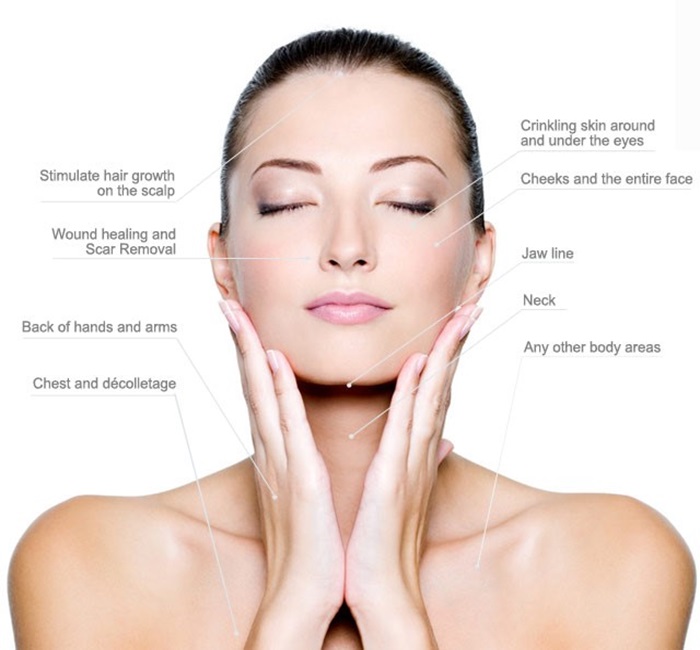
Skin Rejuvenation: When applied to the skin, PRP activates your body’s natural healing response, triggering collagen production, improving skin texture and elasticity, and enhancing overall radiance.
Hair Regrowth: The growth factors present in PRP promote blood circulation to the scalp and nourish hair follicles. This process can stimulate the dormant (inactive or sleeping) hair follicles, extend the growth phase of existing hair, and enhance hair thickness and density. Over time, PRP therapy can lead to noticeable improvements in hair growth and overall hair quality.
 Dermacare Skin & Laser Centre